
Avgolemono Is the Undisputed Champion of Nourishing Soups
Bright, silky, and deeply satisfying, built from simple, restorative ingredients
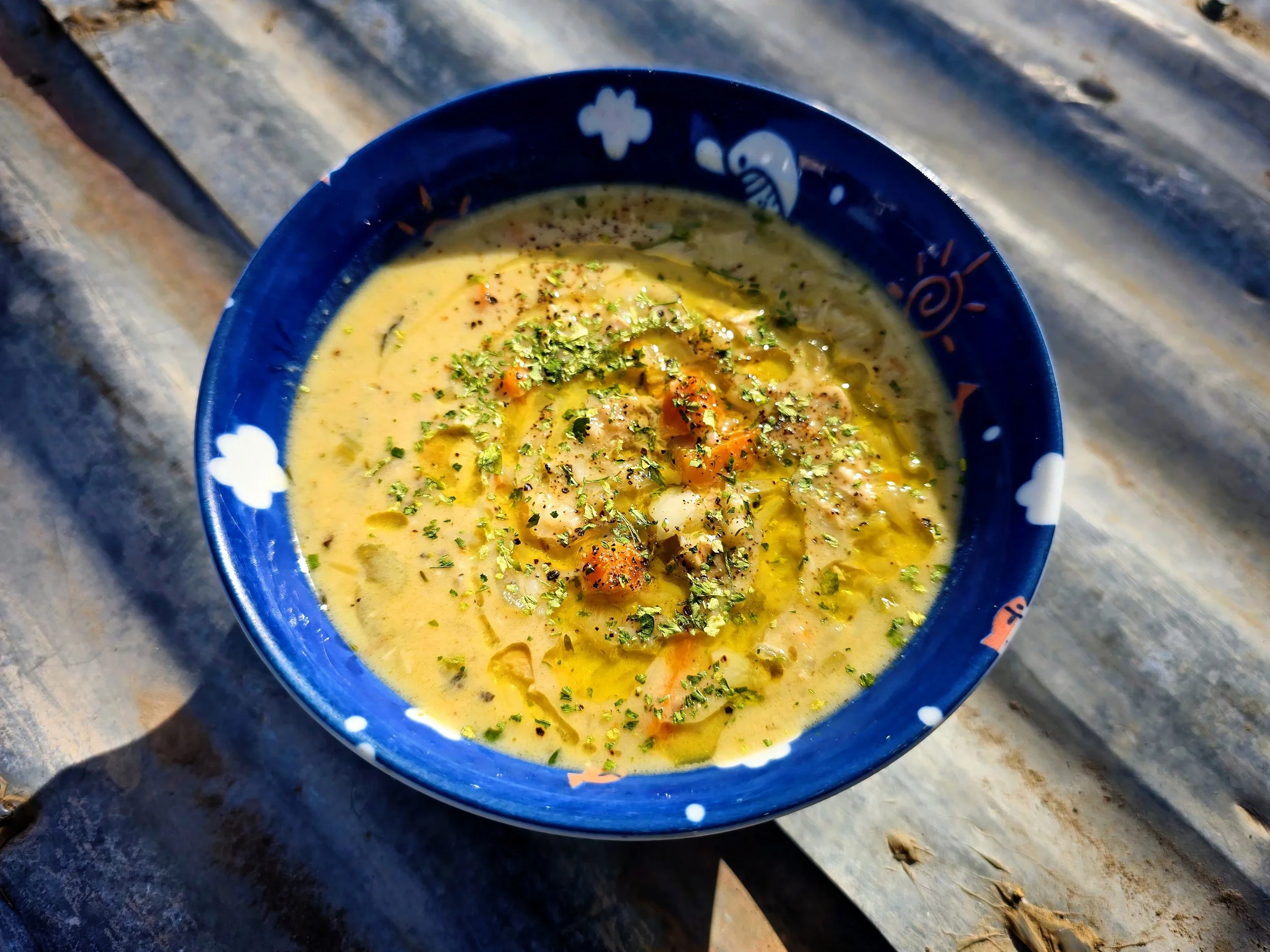
As if we needed any further reason to celebrate the culinary contributions of the Greeks, avgolemono steps in to show us how a dish built from simple, economical ingredients can waste nothing and still outshine countless other versions of chicken soup.
It is one of those exceptional soups that manages to be both light and deeply satisfying at the same time. At its core, it is built from some of the most fundamental ingredients we have access to. Good broth, vegetables, chicken, eggs, lemon, olive oil, and herbs. Nothing flashy. Nothing complicated. Just ingredients that do real work when they are handled with care. This recipe is approachable enough for beginners, yet remains deeply satisfying and engaging for experienced cooks.
Broth provides hydration along with minerals and a bit of protein. Chicken brings substantial protein and staying power, especially meaningful when it comes from animals you have raised yourself, but just as valuable when sourced thoughtfully from the grocer or farmers market. Eggs are the subtle backbone of this soup. They add richness and body while contributing high quality protein and fats, turning a simple pot of broth into something cohesive and complete without weighing it down. In our kitchen, this often means using the eggs our hens lay, which may be a run of the mill ingredient on paper, but adds an extra layer of continuity and care when they come from your own flock. Lemons add brightness and balance, along with vitamin C, and are worth noting as one of the fruits that is actually in season during winter in much of the United States. Olive oil and herbs round things out with complexity and fats that help make this soup feel whole rather than heavy.
What I love most about avgolemono, beyond how explosive yet familiar the flavor is, is how well it fits into real life. It comes together quickly, even on busy days, with plenty of downtime between steps that lets you move through the rest of your day while the pot quietly takes shape. These are ingredients many of us already keep on hand, grow ourselves, store through the colder months, or can easily find at any grocery store. Onions, carrots, celery, herbs, broth, frozen chicken, pantry olive oil, winter citrus. It is a soup that respects the seasons without being limited by them. Warm and inviting in winter, bright and refreshing in summer, it is also lovely served chilled on hot days with extra lemon and herbs. This is a classic soup, but when you look at it through the lens of seasonality and practicality, it earns its place as a true staple.
A printable recipe card is available at the bottom of the post, with options to adjust servings and convert between US and metric measurements.
Avgolemono
Total time: about 45 minutes once broth is ready,
with inactive time throughout
Yield: 3 quarts (4 to 6 servings)
Ingredients
1 good glug fine extra virgin olive oil, Greek if possible
2 medium to large carrots, peeled and finely chopped
3 celery stalks, finely chopped
1 small to medium yellow onion, finely chopped
8 garlic cloves, minced (you can reduce this if you prefer, but why)
8 cups or 2 quarts fresh chicken broth, recipe below and more in notes
½ teaspoon home dried thyme leaves, store bought is fine
½ teaspoon heaping home dried or fresh chopped parsley, plus more for garnish
½ cup medium grain rice, rinsed or orzo pasta
Sea salt and freshly cracked black pepper
Picked and chopped meat from 1 chicken carcass, or 1½ to 2 cups chopped roast chicken, see notes
Freshly squeezed juice of 2 small or 1 large lemon, strained, plus enough water to equal ½ cup total
Zest of ½ to 1 whole lemon, to taste
2 large eggs
1 small spoon raw local honey, optional but highly recommended
Fresh parsley for garnish, optional
Chicken Broth
Active time: about 10 minutes
Inactive time: 3 to 24 hours
Ingredients
1 picked over roast chicken carcass, skin and all
2 medium carrots, peeled and cut on the bias into large coins
1 to 2 celery stalks, roughly chopped
1 small to medium yellow onion, skin on, quartered
4 garlic cloves, smashed in their paper
½ teaspoon whole black peppercorns
½ teaspoon sea salt (optional, but does make the avgolemono better when seasoned in layers)
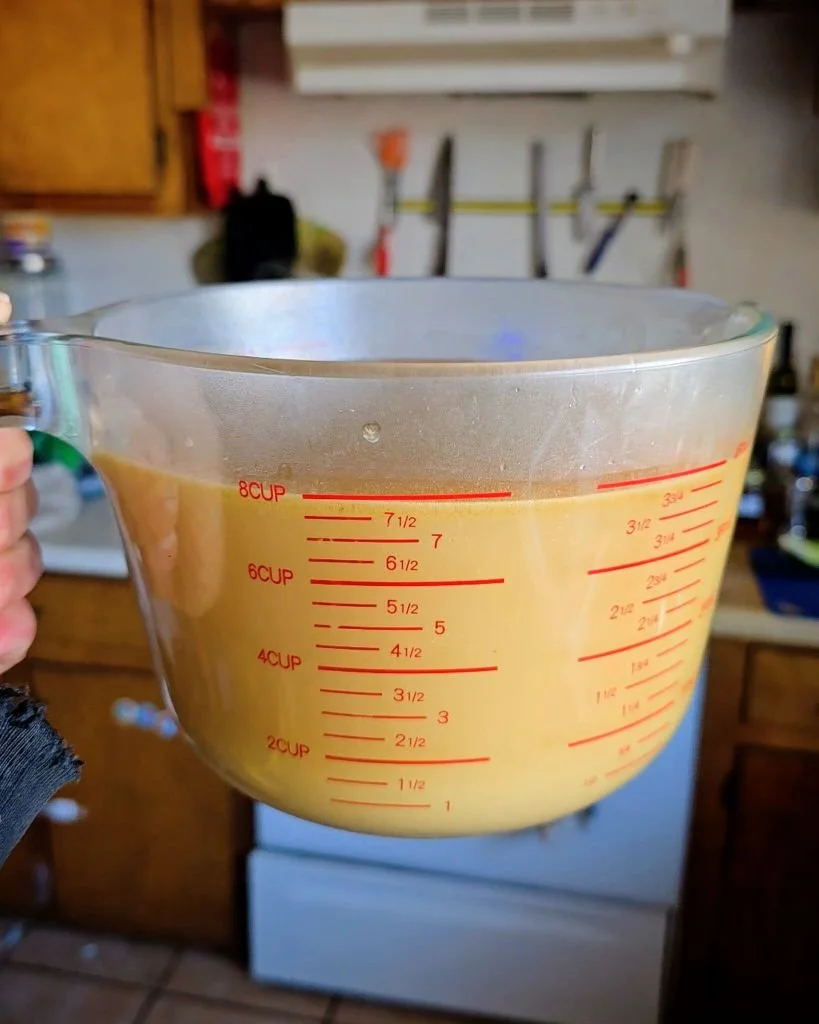
Homemade broth is technically optional here, but it brings depth, body, and color to the finished dish with very little effort. More notes below.
Broth Method
Place all ingredients in a 6 quart or larger heavy bottomed pot or dutch oven with a lid. Fill with cold water to about 1 inch below the rim, 4-5 quarts of water.
Peeling the carrots and cutting them on a large bias increases their surface area, allowing more beta carotene to release into the broth. This gives the stock a naturally golden hue without relying on shortcuts like bouillon or turmeric, and adds a gentle sweetness that balances the richness of the chicken beautifully.
Bring the pot to a boil with the lid on, then reduce the heat to low and allow to simmer gently, covered, for at least 3 hours and up to 24 hours. Longer is better if you have the time. I almost always pick the chicken carcass and start the stock as part of cleaning up after roast chicken dinner. It takes only a few minutes, and then the stock can quietly work while I rest. By the next day, it is ready for the next meal, or it can be cooled completely and saved for later.
This can also be made in a slow cooker, or in an Instant Pot using the slow cook setting, or pressure cooked for about 4 hours.
Strain the broth and reduce if needed to 8 cups or 2 quarts. Rinse out the pot and reserve it for making the soup.
Avgolemono Method
In a 6 quart or large heavy bottomed pot, add a good glug of olive oil over medium high heat. Add the carrots, celery, and onion and sauté until softened and translucent, without browning, turn the temperature down if needed. Add the minced garlic and a few cracks of black pepper and cook briefly until fragrant, taking care not to brown the garlic.
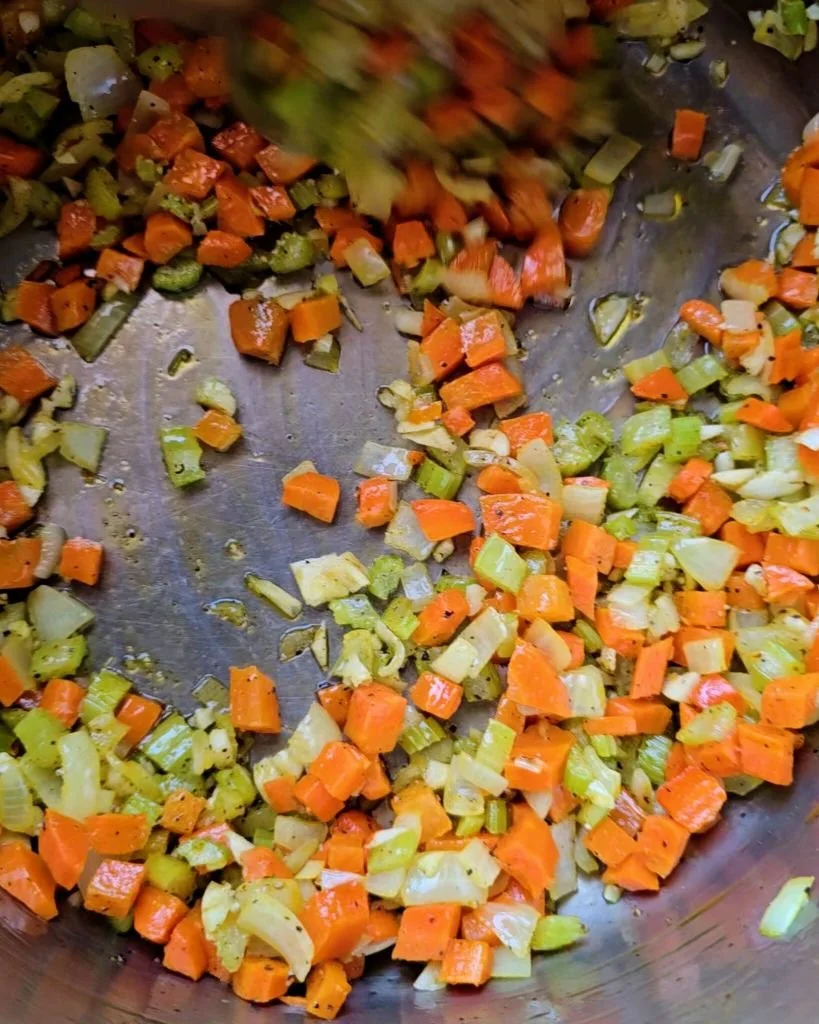
2. Add the chicken broth, dried thyme, and dried parsley if using. Turn the heat to high and bring to a rolling boil. Add the rice and season with salt to taste. This will depend heavily on how seasoned your broth is, but start with about 1 teaspoon sea salt total, using less if your broth is already well salted. Add another crack or two of black pepper.
3. Reduce the heat to medium low and simmer for about 20 minutes, or until the rice is tender.
4. Stir in the chopped chicken and fresh parsley if using, keeping the soup at a gentle heat.
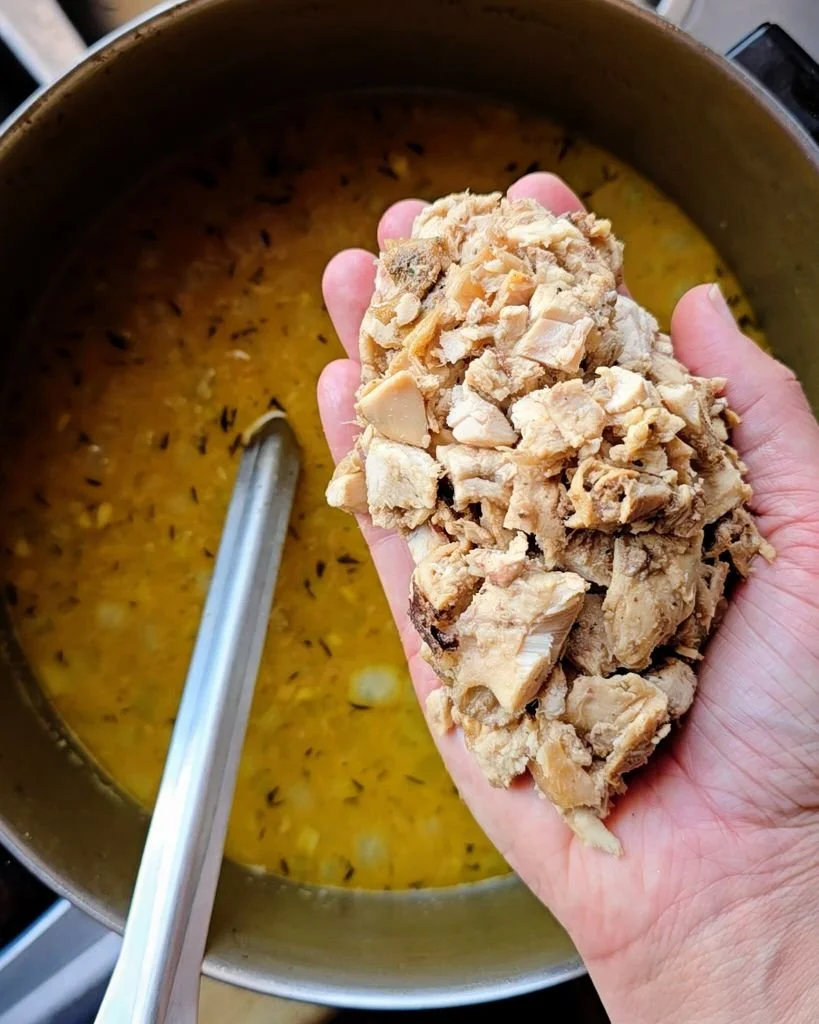
5. While the soup simmers, squeeze the lemons and strain out any seeds. Pour the juice into a ½ cup measuring cup, then add enough water to reach a total of ½ cup liquid. You can use a full ½ cup of pure lemon juice if you prefer, but it will be noticeably sharper. The water helps balance the savory with the acid.

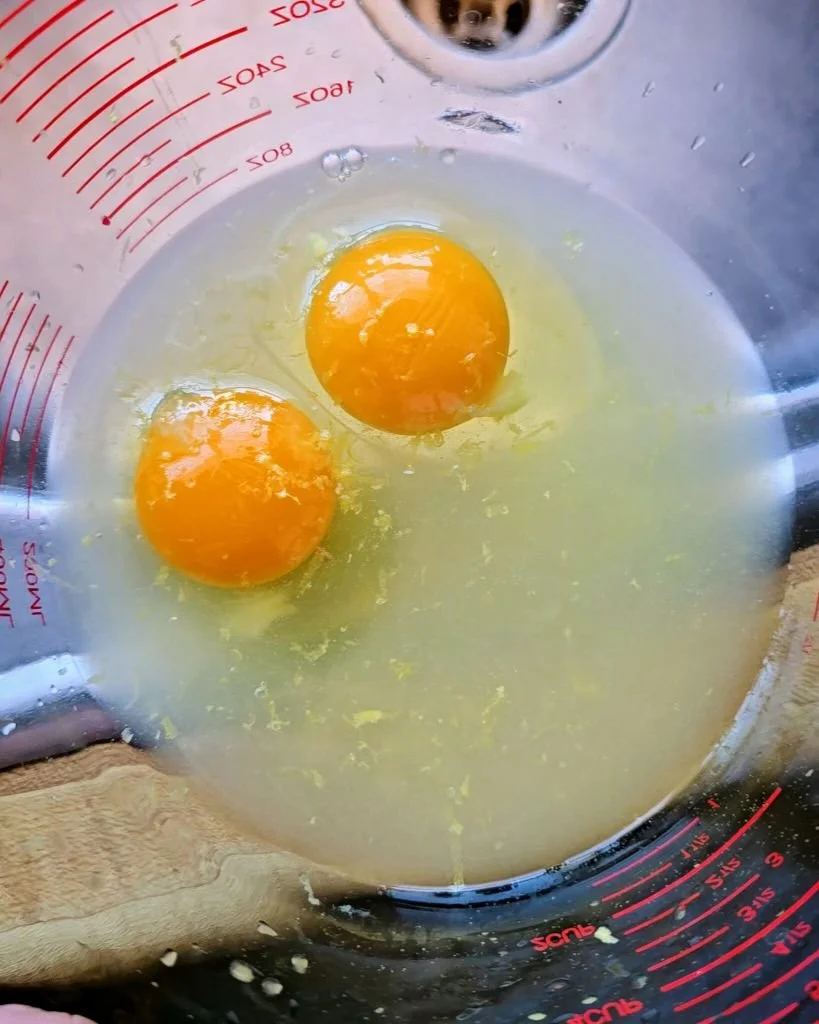
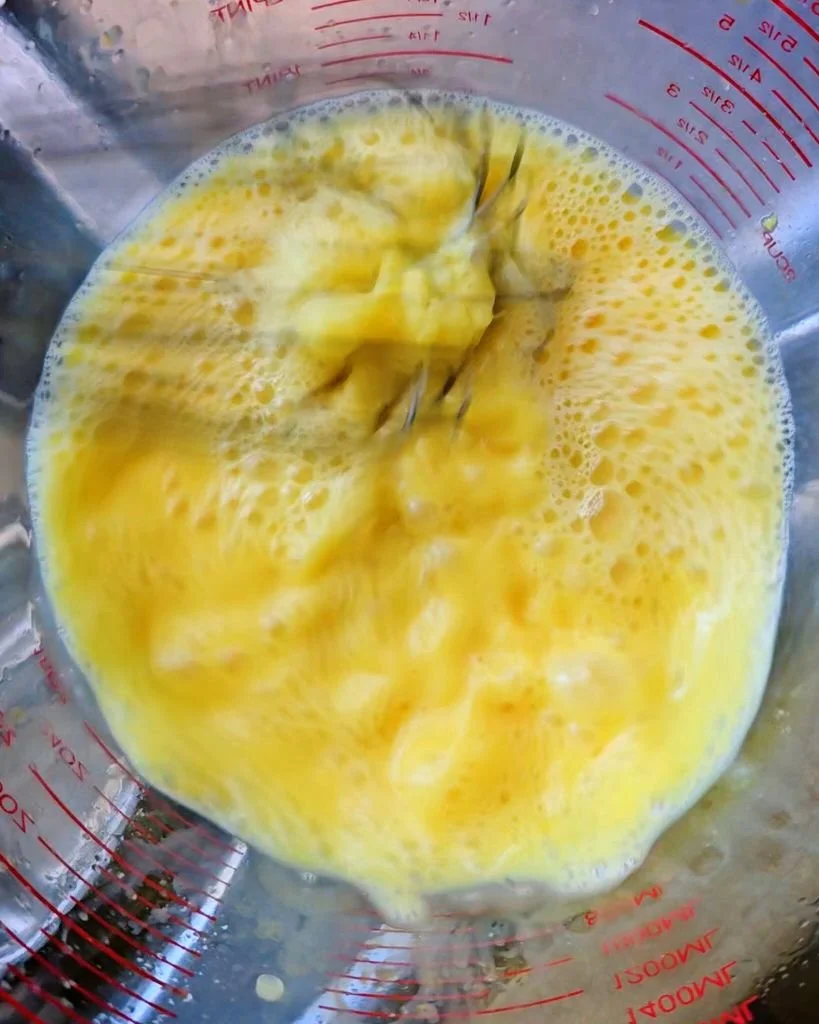
6. In a medium bowl, whisk together the eggs, lemon and water mixture, and lemon zest. While whisking constantly, slowly add one ladle of hot broth at a time to the egg mixture. Continue whisking and adding broth, about four ladles total. This step is essential. Properly tempering the eggs prevents them from scrambling and keeps the soup silky and cohesive.
7. Once fully tempered, slowly stir the egg mixture back into the pot. Remove from the heat immediately and do not allow the soup to boil again. Just before serving, stir in the small spoon of raw honey if using. Taste and adjust seasoning as needed.
To Serve
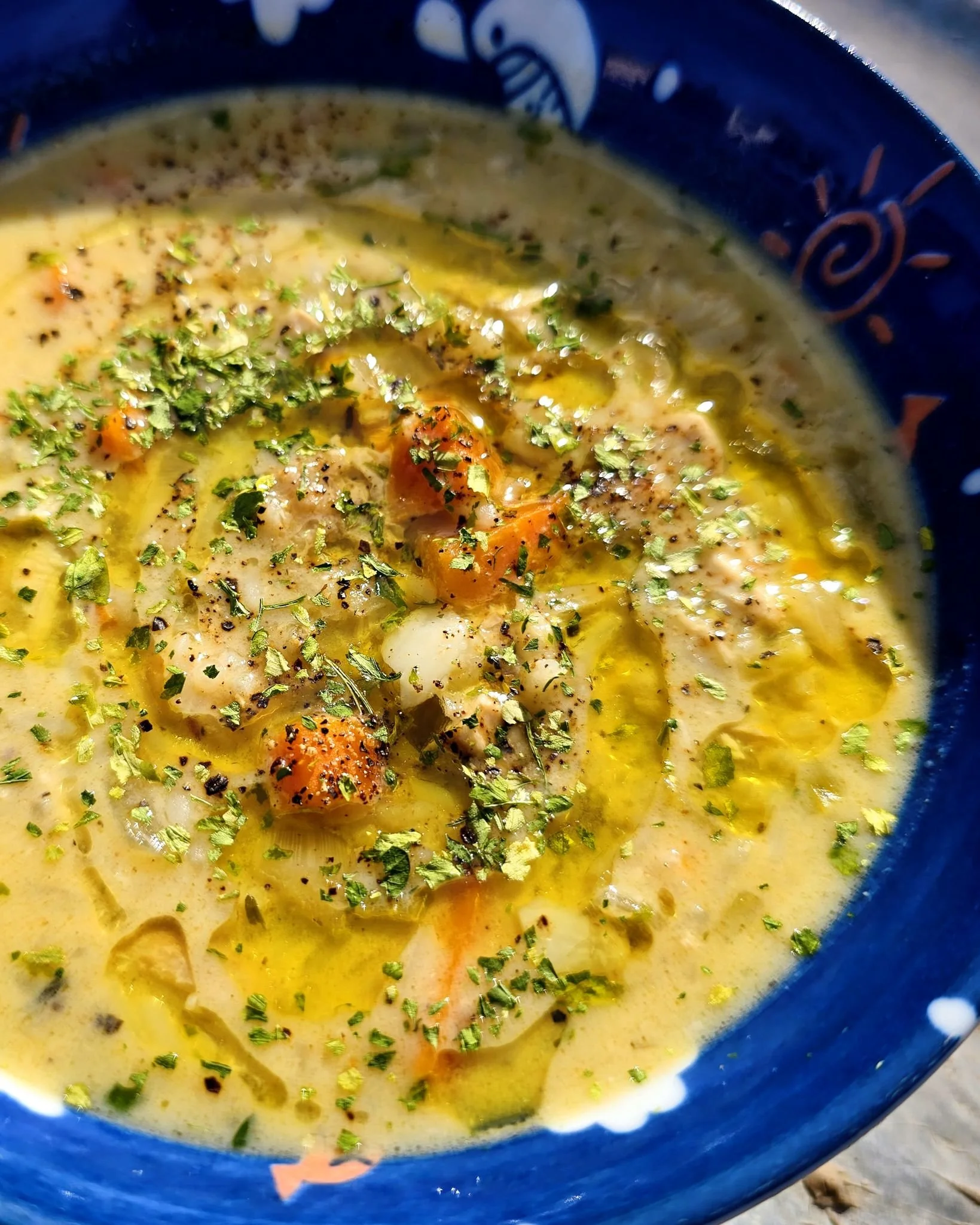
Garnish with fresh or dried parsley, celery leaves if you have them, a drizzle of olive oil, lemon zest, and a final crack of black pepper. Serve on its own or with crusty bread.
Storage and Reheating
Avgolemono is best served fresh, but leftovers can be stored successfully with a little care.
If you have leftover soup, cool it quickly and refrigerate in an airtight container. It will keep well in the refrigerator for up to 4 days.
When reheating, start the soup over low heat and stir frequently. Gentle heat is key to keeping the eggs silky rather than scrambled. Do not let the soup come to a boil during reheating.
This soup is also delicious served chilled, especially in warmer weather, with extra lemon, herbs, and olive oil.
Avgolemono can be frozen and will keep for up to 6 months. Thaw overnight in the refrigerator, then reheat gently using the same low and slow method described above.
Make It Ahead
This soup works beautifully with advance prep, which makes it even more practical for busy weeks.
• A roast chicken carcass with some meat still on it can be kept in the refrigerator for up to one week before making broth.
• You can also freeze the carcass and use it whenever you are ready to make soup.
• Chicken stock can be made ahead and stored in the refrigerator for up to one week.
• Stock also freezes exceptionally well and will keep for up to one year in the freezer. Thaw in the refrigerator before using.
• Picked chicken meat can be refrigerated for several days or frozen for a few months and added directly to the soup when needed.
• If you already have homemade chicken broth ready to go, use it. This recipe is designed to fit into real life, not require everything to be done at once.
Cook’s Notes
When Cooking Broth:
• I always pick the chicken before cooking the carcass for broth. I do not love the texture of chicken that has been boiled for hours, and pulling the meat beforehand gives you much better results.
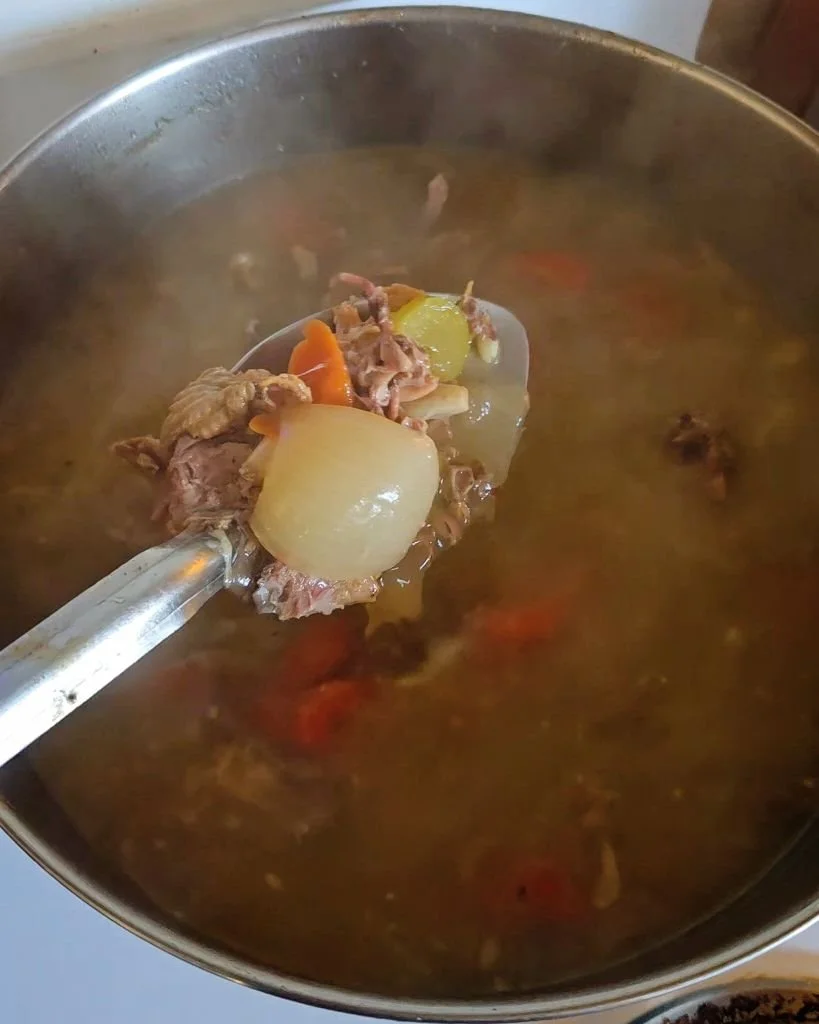
• Some days there is very little meat left at all, and that is completely fine. This soup works beautifully with a lot of chicken, a small amount, or even without it.
• The chicken adds substance, but it is not a make or break ingredient. With really good broth, rice, eggs, and lemon, this soup is still deeply satisfying and complete on its own.
• You can substitute store bought broth, but homemade broth is quick, easy, makes use of leftover bones, and is truly the backbone of the finished soup.
• Do not substitute chicken bouillon on its own. It lacks depth and body.
• If using store bought stock, add 1 spoon of bouillon paste or powder per quart to boost richness. For this recipe, that means 2 quarts or 8 cups of stock plus 2 spoons bouillon, or 2 small cubes. If you do this, reduce the salt added later in the avgolemono to avoid over seasoning.
• Broth should cook low and slow to protect the gelatin. Collagen converts to gelatin, but gelatin can break down if cooked too hard or aggressively, which is one reason broth may not gel.
• That said, always keep the broth above 170°F. If it cooks too cool, it enters the temperature danger zone and can make you very sick.
• If you already have a broth method that works well for you (Instant Pot, pressure cooker, or slow cooker), feel free to use it. Lately I keep it very simple with a pot on the stove.
• In a pinch, pressure cooking for about 4 hours works well or using a slow cooker can be a good option, especially if you will not be home while it cooks.
Seasonings:
• I cook with a pepper mill almost exclusively. When I say “a crack of pepper,” I mean one grind on the mill.
• You can substitute a good pinch of pre ground black pepper per crack if needed.
• I add pepper at multiple stages, during the vegetable sauté, again in the soup, and at the end to garnish. This builds layers of flavor from a single spice.
• I use a fluffy, moist, natural sea salt. If you use a drier, finer salt like kosher or table salt, reduce quantities slightly and be sure to taste often.
• Be careful not to over season the broth or soup early. Start small and build. You can always add more salt, but you cannot take it out.
• I grow or source herbs from farmers markets and dry them at home because it is one of the easiest food preservation methods there is and the flavor pay back is worth it.
• Store bought dried thyme or parsley works fine here.
• If you have fresh parsley, especially for garnish, I highly recommend using it.
• In the summer, I lean more heavily on the fresh herbs we grow, and that simple shift changes the soup in a way that feels fresh and lively, while the winter version remains deeply satisfying.
Why I Keep Coming Back to Avgolemono
Raising meat chickens has completely changed the way I cook. When you have participated in every step, from caring for the animals to processing them, wasting anything stops being an option. Every part matters. Every meal is connected. Making broth from the carcass is no longer an afterthought, it is simply the natural next step.
That said, you do not have to be raising animals from the ground up to cook this way. Whether you are buying a whole chicken from a local farmer, roasting one at home from the grocery store, or bringing in a rotisserie chicken, you can still honor every part. Picking the carcass, making broth, and turning one meal into the next is a practice that can and should be woven into all of our lives.
Avgolemono is one of my favorite ways to carry that practice forward. It is the ideal soup to make the day after a roast chicken, when the fridge holds bones, bits of meat, and vegetables ready to be used again. Nothing fancy, nothing wasted, just the continuation of a good meal into the next one.
It is also a soup my kids genuinely love, which always feels like the real test. It is comforting without being heavy, bright without being sharp, and familiar enough to be welcomed at the table while still feeling special.
This is why I come back to avgolemono again and again. It reflects the way I want to cook and feed my family. Thoughtful, economical, grounded in the season, and deeply satisfying in a way that feels sustainable rather than performative. It is a perfect example of how every little bit adds up.
If you have a roast chicken in your past or your future, this soup is waiting for you.

Avgolemono Soup
Avgolemono is a bright, silky Greek lemon chicken soup built from simple ingredients like broth, eggs, lemon, and rice. This version highlights practical technique, make-ahead flexibility, and a waste nothing approach using roast chicken and homemade broth. Approachable for beginners and satisfying for experienced cooks.
Ingredients
- 1 picked over roast chicken carcass, skin and all
- 2 medium carrots, peeled and cut on the bias into large coins
- 1 to 2 celery stalks, roughly chopped
- 1 small to medium yellow onion, skin on, quartered
- 4 garlic cloves, smashed in their paper
- ½ teaspoon whole black peppercorns
- ½ teaspoon sea salt (optional, but does make the avgolemono better when seasoned in layers)
- 1 good glug fine extra virgin olive oil, Greek if possible
- 2 medium to large carrots, peeled and finely chopped
- 3 celery stalks, finely chopped
- 1 small to medium yellow onion, finely chopped
- 8 garlic cloves, minced (you can reduce this if you prefer, but why)
- 8 cups or 2 quarts fresh chicken broth, recipe below and more in notes
- ½ teaspoon home dried thyme leaves, store bought is fine
- ½ teaspoon heaping home dried or fresh chopped parsley, plus more for garnish
- ½ cup medium grain rice, rinsed
- Sea salt and freshly cracked black pepper
- Picked and chopped meat from 1 chicken carcass, or 1½ to 2 cups chopped roast chicken, see notes
- Freshly squeezed juice of 2 small or 1 large lemon, strained, plus enough water to equal ½ cup total
- Zest of ½ to 1 whole lemon, to taste
- 2 large eggs
- 1 small spoon raw local honey, optional but highly recommended
- Fresh parsley for garnish, optional
Instructions
- Place all ingredients in a 6 quart or larger heavy bottomed pot or dutch oven with a lid. Fill with cold water to about 1 inch below the rim, 4-5 quarts of water. Peeling the carrots and cutting them on a large bias increases their surface area, allowing more beta carotene to release into the broth. This gives the stock a naturally golden hue without relying on shortcuts like bouillon or turmeric, and adds a gentle sweetness that balances the richness of the chicken beautifully.
- Bring the pot to a boil with the lid on, then reduce the heat to low and allow to simmer gently, covered, for at least 3 hours and up to 24 hours. Longer is better if you have the time. I almost always pick the chicken carcass and start the stock as part of cleaning up after roast chicken dinner. It takes only a few minutes, and then the stock can quietly work while I rest. By the next day, it is ready for the next meal, or it can be cooled completely and saved for later.
- This can also be made in a slow cooker, or in an Instant Pot using the slow cook setting, or pressure cooked for about 4 hours.
- Strain the broth and reduce if needed to 8 cups or 2 quarts. Rinse out the pot and reserve it for making the soup.
- In a 6 quart or large heavy bottomed pot, add a good glug of olive oil over medium high heat. Add the carrots, celery, and onion and sauté until softened and translucent, without browning, turn the temperature down if needed. Add the minced garlic and a few cracks of black pepper and cook briefly until fragrant, taking care not to brown the garlic.
- Add the chicken broth, dried thyme, and dried parsley if using. Turn the heat to high and bring to a rolling boil. Add the rice and season with salt to taste. This will depend heavily on how seasoned your broth is, but start with about 1 teaspoon sea salt total, using less if your broth is already well salted. Add another crack or two of black pepper.
- Reduce the heat to medium low and simmer for about 20 minutes, or until the rice is tender.
- Stir in the chopped chicken and fresh parsley if using, keeping the soup at a gentle heat.
- While the soup simmers, squeeze the lemons and strain out any seeds. Pour the juice into a ½ cup measuring cup, then add enough water to reach a total of ½ cup liquid. You can use a full ½ cup of pure lemon juice if you prefer, but it will be noticeably sharper. The water helps balance the savory with the acid.
- In a medium bowl, whisk together the eggs, lemon and water mixture, and lemon zest. While whisking constantly, slowly add one ladle of hot broth at a time to the egg mixture. Continue whisking and adding broth, about four ladles total. This step is essential. Properly tempering the eggs prevents them from scrambling and keeps the soup silky and cohesive.
- Once fully tempered, slowly stir the egg mixture back into the pot. Remove from the heat immediately and do not allow the soup to boil again. Just before serving, stir in the small spoon of raw honey if using. Taste and adjust seasoning as needed.
Notes
To Serve
Garnish with fresh or dried parsley, celery leaves if you have them, a drizzle of olive oil, lemon zest, and a final crack of black pepper. Serve on its own or with crusty bread.
Storage and Reheating
Avgolemono is best served fresh, but leftovers can be stored successfully with a little care.
If you have leftover soup, cool it quickly and refrigerate in an airtight container. It will keep well in the refrigerator for up to 4 days.
When reheating, start the soup over low heat and stir frequently. Gentle heat is key to keeping the eggs silky rather than scrambled. Do not let the soup come to a boil during reheating.
This soup is also delicious served chilled, especially in warmer weather, with extra lemon, herbs, and olive oil.
Avgolemono can be frozen and will keep for up to 6 months. Thaw overnight in the refrigerator, then reheat gently using the same low and slow method described above.
Make It Ahead
This soup works beautifully with advance prep, which makes it even more practical for busy weeks.
• A roast chicken carcass with some meat still on it can be kept in the refrigerator for up to one week before making broth.
• You can also freeze the carcass and use it whenever you are ready to make soup.
• Chicken stock can be made ahead and stored in the refrigerator for up to one week.
• Stock also freezes exceptionally well and will keep for up to one year in the freezer. Thaw in the refrigerator before using.
• Picked chicken meat can be refrigerated for several days or frozen for a few months and added directly to the soup when needed.
• If you already have homemade chicken broth ready to go, use it. This recipe is designed to fit into real life, not require everything to be done at once.
Cook’s Notes
When Cooking Broth:
• I always pick the chicken before cooking the carcass for broth. I do not love the texture of chicken that has been boiled for hours, and pulling the meat beforehand gives you much better results.
• Some days there is very little meat left at all, and that is completely fine. This soup works beautifully with a lot of chicken, a small amount, or even without it.
• The chicken adds substance, but it is not a make or break ingredient. With really good broth, rice, eggs, and lemon, this soup is still deeply satisfying and complete on its own.
• You can substitute store bought broth, but homemade broth is quick, easy, makes use of leftover bones, and is truly the backbone of the finished soup.
• Do not substitute chicken bouillon on its own. It lacks depth and body.
• If using store bought stock, add 1 spoon of bouillon paste or powder per quart to boost richness. For this recipe, that means 2 quarts or 8 cups of stock plus 2 spoons bouillon, or 2 small cubes. If you do this, reduce the salt added later in the avgolemono to avoid over seasoning.
• Broth should cook low and slow to protect the gelatin. Collagen converts to gelatin, but gelatin can break down if cooked too hard or aggressively, which is one reason broth may not gel.
• That said, always keep the broth above 170°F. If it cooks too cool, it enters the temperature danger zone and can make you very sick.
• If you already have a broth method that works well for you (Instant Pot, pressure cooker, or slow cooker), feel free to use it. Lately I keep it very simple with a pot on the stove.
• In a pinch, pressure cooking for about 4 hours works well or using a slow cooker can be a good option, especially if you will not be home while it cooks.
Seasonings:
• I cook with a pepper mill almost exclusively. When I say “a crack of pepper,” I mean one grind on the mill.
• You can substitute a good pinch of pre ground black pepper per crack if needed.
• I add pepper at multiple stages, during the vegetable sauté, again in the soup, and at the end to garnish. This builds layers of flavor from a single spice.
• I use a fluffy, moist, natural sea salt. If you use a drier, finer salt like kosher or table salt, reduce quantities slightly and be sure to taste often.
• Be careful not to over season the broth or soup early. Start small and build. You can always add more salt, but you cannot take it out.
• I grow or source herbs from farmers markets and dry them at home because it is one of the easiest food preservation methods there is and the flavor pay back is worth it.
• Store bought dried thyme or parsley works fine here.
• If you have fresh parsley, especially for garnish, I highly recommend using it.
• In the summer, I lean more heavily on the fresh herbs we grow, and that simple shift changes the soup in a way that feels fresh and lively, while the winter version remains deeply satisfying.